
Your gateway to a free society
Book
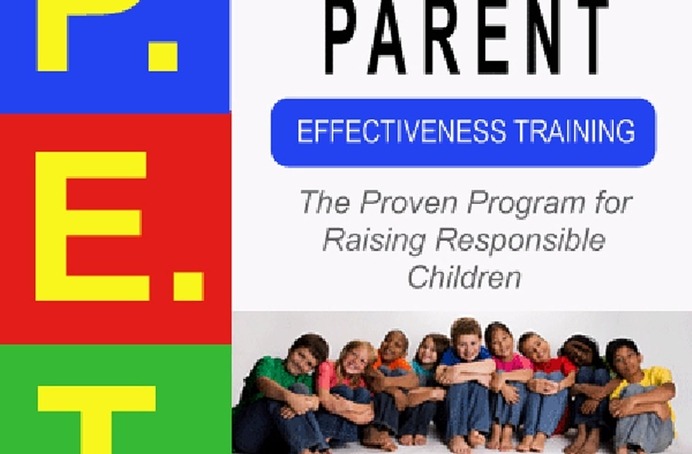
Parent Effectiveness Training (P.E.T.)
P.E.T. began over 45 years ago as the first national parent-training program to teach parents how to communicate more effectively with kids and offer step-by-step advice to resolving family conflict so everybody wins. This beloved classic is the most studied, highly-praised, and proven parenting program in the world -and it will for you.
This ground-breaking book will show you:
- How to avoid being a permissive parent.
- How to listen so kids will talk to you and talk so kids will listen to you.
- How to teach your children to "own" their problems and to solve them.
- How to use the "No-Lose" method to resolve conflicts.Using the timeless methods of P.E.T. will have immediate results: less fighting, fewer tantrums and lies, no need for punishment. Whether you have a toddler striking out for independence or a teenager who has already started rebelling, you'll find P.E.T. a compassionate, effective way to instill responsibility and create a nurturing family environment in which your children will thrive.
aboutLiberty Portal
Liberty Portal is your gateway for free markets and free thinking. We aggregate open-sourced content to promote and popularize important people and lessons within the liberty movement.



suggested
Peter Schiff
How An Economy Grows And Why It Crashes
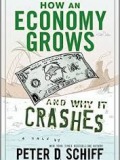
How an Economy Grows and Why it Crashes uses illustration, humor, and accessible storytelling to explain complex topics of economic growth and monetary systems. In it, economic expert and bestselling author of Crash Proof, Peter Schiff teams up with his brother Andrew to apply their signature "take no prisoners" logic to expose the glaring fallacies that have become so ingrained in our country?s economic conversation.
Read moreInspired by How an Economy Grows and Why It Doesn't? a previously published book by the Schiffs? father Irwin, a widely published economist and activist?How an Economy Grows and Why It Crashes incorporates the spirit of the original while tackling the latest economic issues.With wit and humor, the Schiffs explain the roots of economic growth, the uses of capital, the destructive nature of consumer credit, the source of inflation, the importance of trade, savings, and risk, and many other topical principles of economics.
The tales told here may appear simple of the surface, but they will leave you with a powerful understanding of How an Economy Grows and Why it Crashes.
Stefan Molyneux
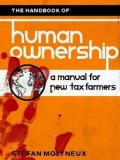
The Handbook of Human Ownership: A Manual for New Tax Farmers
Hey – seriously - congratulations on your new political post!
If you are reading this, it means that you have ascended to the highest levels of government, so it’s really, re-ally important that you don’t do or say anything stupid, and screw things up for the rest of us.
The first thing to remember is that you are a figurehead, about as relevant to the direction of the state as a hood ornament is to the direction of a car – but you are a very important distraction, the “smiling face” of the fist of power. So hold your nose, kiss the babies, and just think how good you would look on a stamp. A stamp, for mail… No, not email, mail. Never mind, we’ll explain later.
Now, before we go into your media responsibilities, you must understand the true history of political power, so you don’t accidentally act on the naïve idealism you are required to project to
Read moreIf you are reading this, it means that you have ascended to the highest levels of government, so it’s really, re-ally important that you don’t do or say anything stupid, and screw things up for the rest of us.
The first thing to remember is that you are a figurehead, about as relevant to the direction of the state as a hood ornament is to the direction of a car – but you are a very important distraction, the “smiling face” of the fist of power. So hold your nose, kiss the babies, and just think how good you would look on a stamp. A stamp, for mail… No, not email, mail. Never mind, we’ll explain later.
Now, before we go into your media responsibilities, you must understand the true history of political power, so you don’t accidentally act on the naïve idealism you are required to project to
Christina Hoff Sommers
Who Stole Feminism?
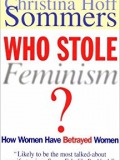
Philosophy professor Christina Sommers has exposed a disturbing development: how a group of zealots, claiming to speak for all women, are promoting a dangerous new agenda that threatens our most cherished ideals and sets women against men in all spheres of life. In case after case, Sommers shows how these extremists have propped up their arguments with highly questionable but well-funded research, presenting inflammatory and often inaccurate information and stifling any semblance of free and open scrutiny. Trumpeted as orthodoxy, the resulting "findings" on everything from rape to domestic abuse to economic bias to the supposed crisis in girls' self-esteem perpetuate a view of women as victims of the "patriarchy". Moreover, these arguments and the supposed facts on which they are based have had enormous influence beyond the academy, where they have shaken the foundations of our educational, scientific, and legal institutions and have fostered resentment and alienation in our private lives. Despite its current dominance, Sommers maintains, such a breed of feminism is at odds with the real aspirations and values of most American women and undermines the cause of true equality. Who Stole Feminism? is a call to arms that will enrage or inspire, but cannot be ignored.
Read more
support
If you like what we do and want to support us, then you are a fine humanitarian. Click the link below to find out more.
Support the liberty movement
Want to get in touch?