
Your gateway to a free society
Book
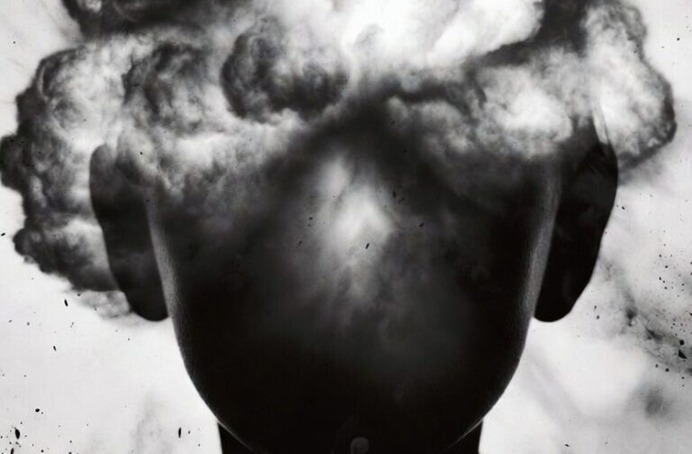
The Origins of War in Child Abuse
Lloyd DeMause has made major contributions to the study of Psychohistory which is the study of the psychological motivations of historical events. Psychohistory seeks to understand the emotional origin of the social and political behavior of groups and nations, past and present. Its subject matter is childhood and the family (especially child abuse), and psychological studies of anthropology and ethnology. Audiobook read by Stefan Molyneux.
aboutLiberty Portal
Liberty Portal is your gateway for free markets and free thinking. We aggregate open-sourced content to promote and popularize important people and lessons within the liberty movement.



suggested
LMNT Electrolyte Powder Packs

- THE BEST ELECTROLYTE DRINK MIX EVER: LMNT is a tasty electrolyte drink mix with everything you need and nothing you don't. LMNT is perfect for anyone interested in a keto, low-carb or intermittent fasting lifestyle, and a gluten-free diet. Our electrolyte supplement fights against the low-carb fatigue and keto fog to keep energy levels high
Michael Huemer
The Problem Of Political Authority
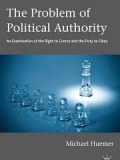
The state is often ascribed a special sort of authority, one that obliges citizens to obey its commands and entitles the state to enforce those commands through threats of violence. This book argues that this notion is a moral illusion: no one has ever possessed that sort of authority.
Read more
Michal Malice
The White Pill

The Russian Revolution was as red as blood. The Bolsheviks promised that they were building a new society, a workers’ paradise that would change the nature of mankind itself. What they ended up constructing was the largest prison that the world had ever seen, a Union of Soviet Socialist Republics that spanned half the globe. It was a country where people's lives meant nothing, less than nothing—and they knew it. But no matter what atrocity that the Soviets committed—the secret police, the torture chambers, the show trials, the labor camps and the mass starvation—there was always someone in the West rushing to justify their bloodshed. For decades it seemed perfectly obvious that the USSR wasn’t going anywhere—until it vanished from the face of the earth, gradually and then suddenly. This is the story of the rise and fall of that evil empire, and why it is so important for the good to never give up hope. This is the white pill.
Read more
support
If you like what we do and want to support us, then you are a fine humanitarian. Click the link below to find out more.
Support the liberty movement
Want to get in touch?