
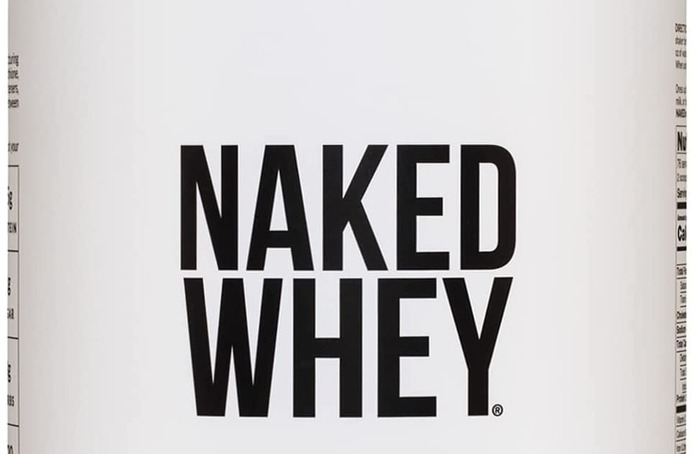
Naked Whey
- ONLY ONE INGREDIENT: 100% Grass Fed Pure Whey Protein with zero additives. Naked Whey no artificial sweeteners, flavors, or colors and is GMO-Free, No rBGH or rBST, Soy Free and Gluten-Free.
- ALL NATURAL WHEY: Our Grass Fed Whey is sourced from small dairy farms in California to bring you a non-denatured whey packed full of essential amino acids, clean protein and glutathione.
- MAXIMUM NUTRITION: 25g of Protein, 2g of Sugar, 3g of Carbs, 120 Calories, and 5.9g of BCAAs (branched-chain amino acids) per serving.
- COLD PROCESSED: Unlike most whey protein powders, Naked Whey is cold processed to ensure zero contamination from chemical detergents (no acid or bleach), synthetic additives, or heavy metals, and this maintains important naturally occurring growth factors.
- THE PERFECT WORKOUT PARTNER: Create pre and post workout whey shakes, smoothies and recipes to take your muscle gains and recovery to new heights.
aboutLiberty Portal




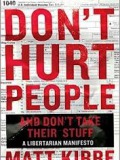
In this essential manifesto of the new libertarian movement, New York Times bestselling author and president of FreedomWorks Matt Kibbe makes a stand for individual liberty and shows us what we must do to preserve our freedom.
Don't Hurt People and Don't Take Their Stuff is a rational yet passionate argument that defends the principles upon which America was founded—principles shared by citizens across the political spectrum. The Constitution grants each American the right to self-determination, to be protected from others whose actions are destructive to their lives and property. Yet as Kibbe persuasively shows, the political and corporate establishment consolidates its power by infringing upon our independence—from taxes to regulations to spying—ultimately eroding the ideals, codified in law, that have made the United States unique in history.
Kibbe offers a surefire plan for reclaiming our inalienable rights and regaining control of our lives, grounded in six simple rules:
- Don’t hurt people: Free people just want to be left alone, not hassled or harmed by someone else with an agenda or designs over their life and property.
- Don’t take people’s stuff: America’s founders fought to ensure property rights and our individual right to the fruits of our labors.
- Take responsibility: Liberty takes responsibility. Don’t sit around waiting for someone else to solve your problems.
- Work for it: For every action there is an equal reaction. Work hard and you’ll be rewarded.
- Mind your own business: Free people live and let live.
- Fight the power: Thanks to the Internet and the decentralization of knowledge, there are more opportunities than ever to take a stand against corrupt authority.
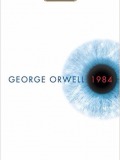
“The Party told you to reject the evidence of your eyes and ears. It was their final, most essential command.”
Winston Smith toes the Party line, rewriting history to satisfy the demands of the Ministry of Truth. With each lie he writes, Winston grows to hate the Party that seeks power for its own sake and persecutes those who dare to commit thoughtcrimes. But as he starts to think for himself, Winston can’t escape the fact that Big Brother is always watching...
A startling and haunting vision of the world, 1984 is so powerful that it is completely convincing from start to finish. No one can deny the influence of this novel, its hold on the imaginations of multiple generations of readers, or the resiliency of its admonitions—a legacy that seems only to grow with the passage of time.
support
If you like what we do and want to support us, then you are a fine humanitarian. Click the link below to find out more.
Support the liberty movement